
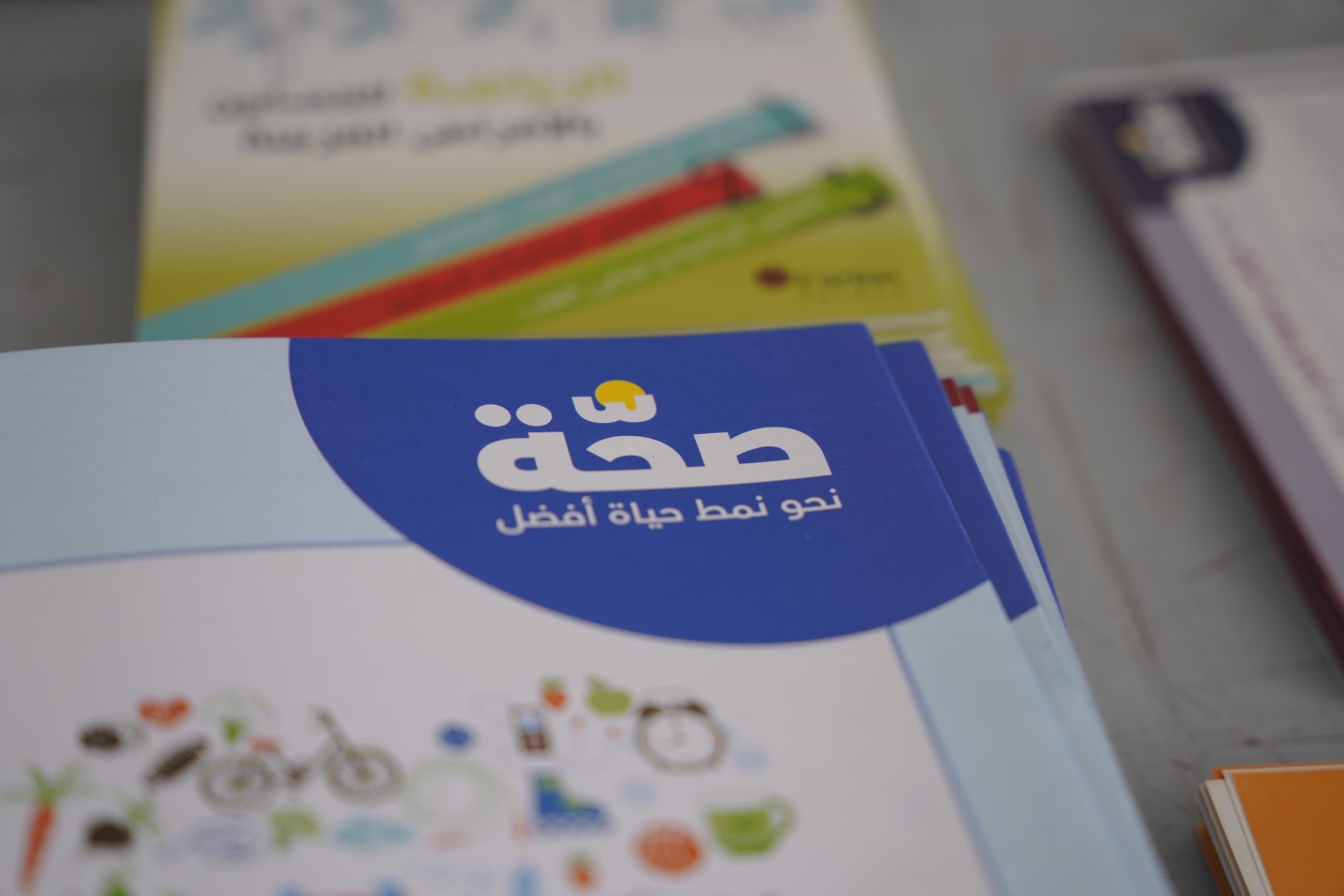
Primary Health Care Sector
Caritas Jordan’s Primary Health
Care (PHC) Sector is a vital arm of its humanitarian mission, committed to
delivering accessible, high-quality health services to vulnerable populations,
including refugees from all nationalities, migrants, and vulnerable Jordanians.
Grounded in the principles of dignity, equity, and compassion, the PHC sector
plays a central role in promoting community well-being and resilience.
Who We Serve
We focus on individuals and
families who face barriers to accessing the national health system—particularly
refugees from all nationalities “Syria, Iraq, Sudan, and Yemen,,,,” as well as
low-income Jordanians. Our culturally sensitive and patient-centered approach
ensures that everyone receives respectful and effective care, regardless of
nationality, religion, or legal status.
Impact and Reach
Each year, Caritas Jordan’s
health programs support thousands patients. Our commitment to continuous
training, strategic partnerships with the Ministry of Health and international
agencies, and a strong referral system helps provide both immediate care and
long-term health solutions.
Our Vision
To be a model of inclusive,
community-based primary health care that promotes dignity, health equity, and
social justice across Jordan.
Key Activities:
Caritas Jordan provides holistic
health care system through a network of clinics and mobile medical units
strategically located across the country. These services include:
Ø Primary healthcare services:
Primary health clinics are the first level of
beneficiaries’ services in CJ, where diagnosis, first aid treatment, health
education, disease prevention and cure are provided by General Practitioners
(GPs) and skilled nurses. Services are provided regularly free of charge for
extremely vulnerable individuals. However, there is an issue in availability of
medicine especially for under five children and elderly.
Ø Secondary health care services: which is the second level of health care; patients are referred to a higher level of care. This could be:
·
Secondary Health Care/Outpatient services that include specialists’
consultations, laboratories tests, radiology, and medication, and/or
· Secondary Health Care/Inpatient services that include emergency admission to affiliated hospitals, undergoing operations or diagnostic investigations and other small surgeries, although these may be interrupted at the end of the fiscal year because of shortage of donor's fund.
Ø
Tertiary health care services: including advanced level of treatment such as Cancer treatment,
cardiac surgery, and kidney dialysis as inpatients or through referral to other
medical missions.
Secondary and tertiary care requires a
continued high level of funding to ensure access to essential healthcare such
as normal and assisted deliveries, caesarean sections, war injuries, congenital
abnormalities including cardiac abnormalities and renal failure. The health
information system in urban settings needs to be integrated nationwide and to
be able to routinely disaggregate Syrians and Jordanians. (17)
Ø Medical assistive tools, devices, and mobility aids: according to the Caritas GP recommendation, patients will be provided with assistive devices such as wheelchairs, hearing aids to improve the patient's daily life chores.
Ø Mother and child health care: Pre-Post Neonatal & Antenatal Health Care for Women at Reproductive Age, Pregnant, Lactating Women and Child under 5 years (CU5). However, there is no vaccination program, no family planning program. Pregnant women are registered for routine antenatal visits just after 20 weeks of pregnancy.
Ø Chronic Disease Management: is an ongoing care and support on monthly basis that aims to assist individuals who are suffering from chronic health condition particularly patients with diabetes, hypertension, and vascular disease, among others with medical care, learning and resources they need to better manage their health conditions on a daily basis.
Ø Community health interventions: providing the communities with awareness session for health prevention, supporting national and international health campaign aiming to aware the community on specific health issue through individual / group sessions and health awareness campaigns. However, at community level, coverage of outreach and Syrian community involvement in the promotion or provision of health services is insufficient.
Ø Medical Outreach: Medical Outreach service in cooperation with
(CBO), targeting patients who cannot visit primary clinics in outlying and
underserved areas as well as vulnerable refugees and host communities.
1-
Annual public health campaigns and community outreach
are conducted on NCDs and healthy lifestyle behaviors
A public health information campaign will persons
highlighting NCD risks and the importance of healthy lifestyles in reducing NCD
risks. The NCD campaign will be coordinated with other health actors, in
particular the NCD Alliance, in order to maximize efforts and synergies in
combatting NCD prevalence in line with SDG 3 goals and targets.
2-
Annual public health campaigns and community outreach
are conducted on maternal and neo-natal health best practices
With a view to highlighting the importance of pre- and post-natal monitoring and promoting good practices, CJ will conduct a campaign on maternal, neo-natal, infant health and nutritional best practices targeting vulnerable women of childbearing age. The campaign will be conducted in collaboration with MoH and will include information on healthy pregnancy and good birthing preparation and practice (the latter to highlight the benefits of natural vaginal delivery) as well as on breast-feeding, infant and childcare.
